

Technique can be learned. Art can be taught.
We opened a second and final date: November 8–9, 2026
Solution-focused pediatric dentistry and biomimetic rehabilitation in a two-day, in-person course designed to strengthen your clinical judgment, train your hands, and give you practical protocols for complex primary teeth.

Important Information
Mexico City
City Express Plus Patio Universidad
November 8–9, 2026
Second and final date available
Due to high demand, we opened a second and final date for those who were unable to secure a seat. Only 25 places are available. The course is taught in Spanish.
Course Fee: MXN $9,500. Registration and administrative enquiries: Dr. Aldo Guzmán and Israel Heres.
This course is for you if you want to stop second-guessing complex cases and make decisions with greater clinical confidence.
When a pediatric patient presents with severe coronal destruction, an indication for endodontic treatment, difficult isolation, or the need for anterior esthetic rehabilitation, knowing the technique is not enough: you need to know how to decide, sequence, and solve the case.
This course integrates the real clinical workflow: rotary endodontics, LSTR, advanced rubber dam isolation, and direct biomimetic rehabilitation of the anterior region.
The first date sold out, so we opened this second edition for those who were unable to reserve a place. The group will remain small so the hands-on training can be truly guided.

By the end of the course, you will be able to...
Treat primary tooth endodontic cases
Isolate complex cases
Rebuild the anterior region
Make better clinical decisions
Course Program
Rotary Endodontics and Rubber Dam Isolation
08:30 – 09:00 Registration and welcome
09:00 – 11:00 Rotary endodontics and LSTR
11:00 – 11:30 Coffee break
11:30 – 14:00 Rotary endodontics hands-on
14:00 – 15:30 Break
15:30 – 16:00 Discussion of the hands-on cases and Q&A
16:00 – 17:30 Rubber dam isolation
17:30 – 18:00 Coffee break
18:00 – 18:30 Questions and closing
Advanced Isolation and Biomimetic Rehabilitation
09:00 – 11:00 Advanced isolation hands-on
11:00 – 11:30 Coffee break
11:30 – 14:00 Anterior biomimetic rehabilitation
14:00 – 15:30 Break
15:30 – 17:30 Complex anterior rehabilitation hands-on
17:30 – 18:00 Coffee break
18:00 – 18:30 Questions, certificate presentation, and closing
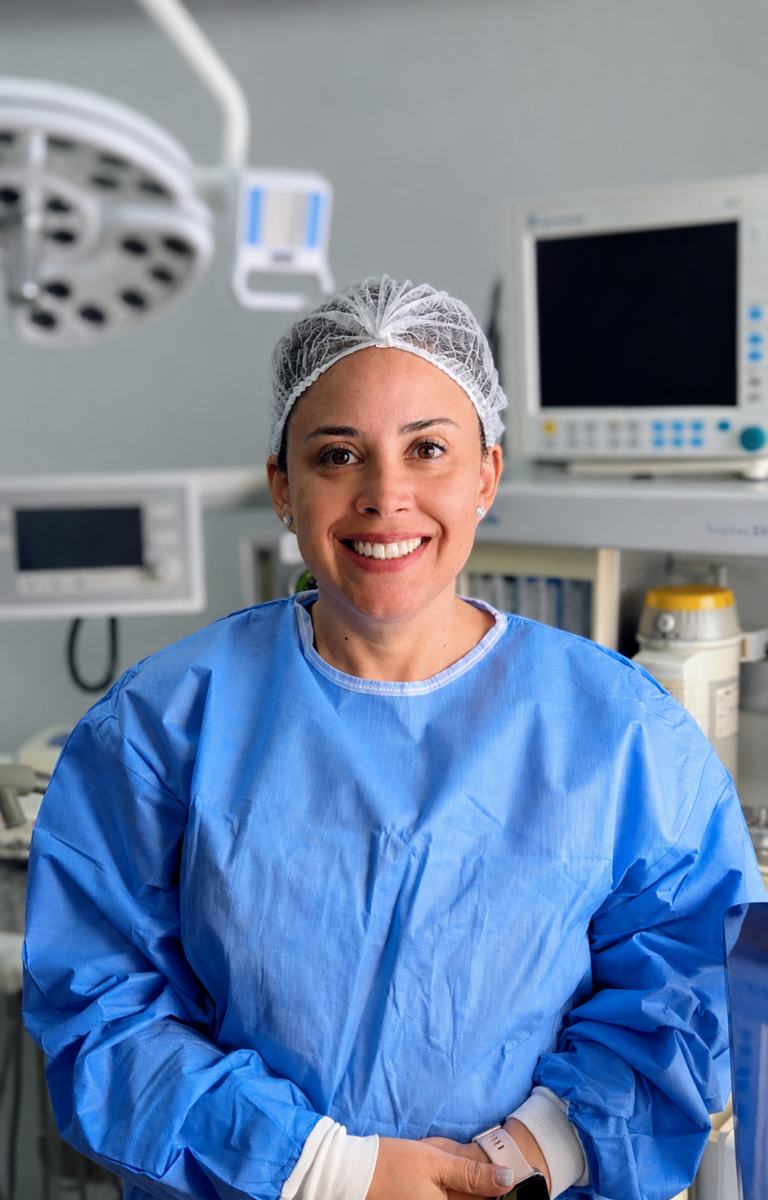
Why Learn With Me?
Dr. María Daniela Elorza · Specialist in Complex Pediatric Cases
I am a Chilean pediatric dentist whose clinical practice focuses on highly complex pediatric patients: pre-cooperative children, patients with special healthcare needs, comprehensive rehabilitation, anterior esthetics, rotary endodontics, and treatment under general anesthesia.
This course grew out of years spent treating referred, difficult cases that were often considered impossible. My goal is for you to leave with greater clarity, stronger clinical judgment, and more tools to solve cases in your own practice.
What Is Included
Two Full Course Days
Hands-on Materials
Coffee Breaks
Certificate
Lunch, accommodation, and transportation are not included. A list of personal instruments will be sent to each participant in advance.
Reserve Your Place for Mexico 2026
This course was designed for small groups because much of the learning takes place during case discussions and guided practical exercises.